Planning your next hike doesn't have to be complicated. The real secret is choosing the right season. You'll find that timing makes all the difference between a day you'll love and one you'll want to forget. Whether you're thinking about a gentle walk or tackling something more ambitious, understanding seasonal conditions helps you stay comfortable, safe, and genuinely happy on the trail.
There's no single "best" time to hike — it depends on what you're after. Are you seeking wildflowers and warm days? Maybe you prefer solitude and crisp autumn air. This guide walks you through each season's genuine advantages and real challenges, so you can pick what suits you.
Spring: Awakening Trails and Fresh Energy
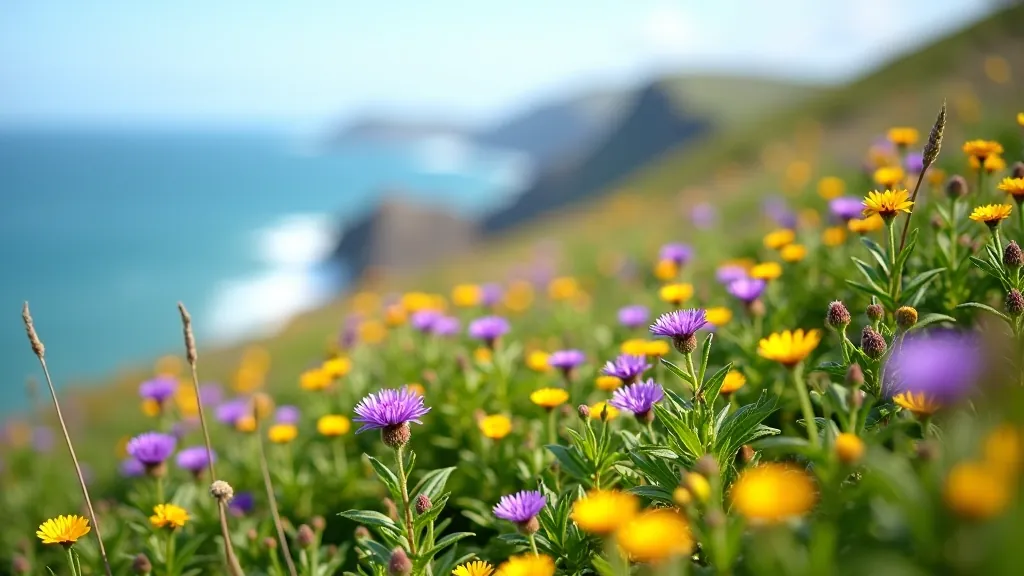
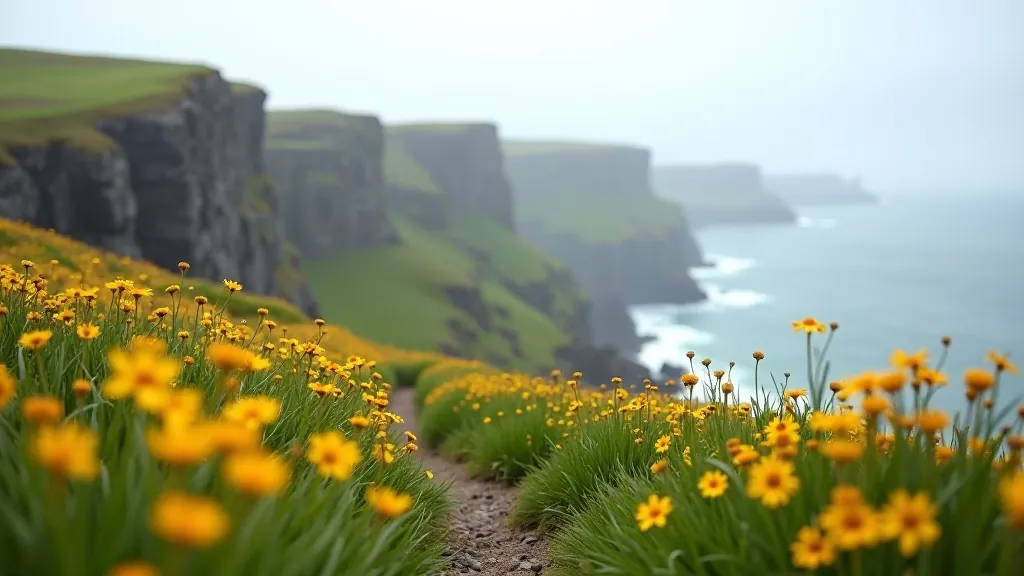
Spring hiking has a particular magic to it. The landscape comes alive. Wildflowers start appearing from March onwards, and by late April you'll see some genuinely stunning displays across Donegal's coastal regions. Temperature sits between 8-14°C typically, which means you're comfortable in layers without overheating.
Here's what actually matters: daylight extends quickly. In May you've got light until after 9pm, giving you plenty of time for longer walks. The ground's softer from winter rain, which can be tiring underfoot, but it's manageable. Water levels are higher in streams and waterfalls — if you like that drama, spring delivers.
The downside? Rain. Spring isn't just showers; it's unpredictable wet weather that rolls in quickly. You'll want waterproof layers that you can remove easily. Midges aren't a concern yet, which is genuinely nice.
- Wildflowers in full bloom April-May
- Extended daylight hours
- Cooler temperatures mean less effort
- Fewer crowds than summer
- Dramatic water features
Summer: Long Days but Real Challenges
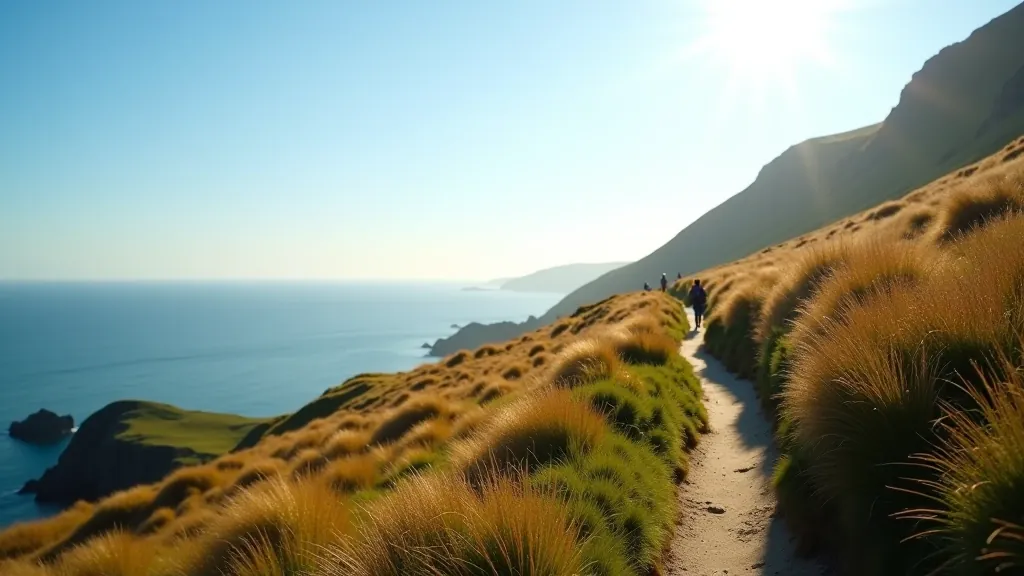
June through August gives you the longest daylight hours and warmest temperatures. Light lasts until 10pm in June, and you get consistently dry days compared to other seasons. That's the obvious appeal.
But summer brings real challenges most people don't anticipate. Midges appear around mid-May and stick around until October. They're absolutely relentless on still, humid evenings — genuinely miserable if you're not prepared. Crowds peak too. Popular trails like Slieve League get busy, particularly weekends and school holidays. You'll share the experience with dozens of other people rather than having peaceful solitude.
Heat itself is manageable if you're starting early. A 7am start means you're mostly finished before afternoon warmth builds up. Bring more water than you think you'll need — at least 2 litres. Sun protection matters. The coastal exposure means intense UV even when it doesn't feel that hot.
July and August are actually harder than June for older adults. Temperatures can reach 18-20°C, and the combination of heat plus crowds plus midges creates a genuinely challenging experience.
Autumn: The Sweet Spot for Comfort
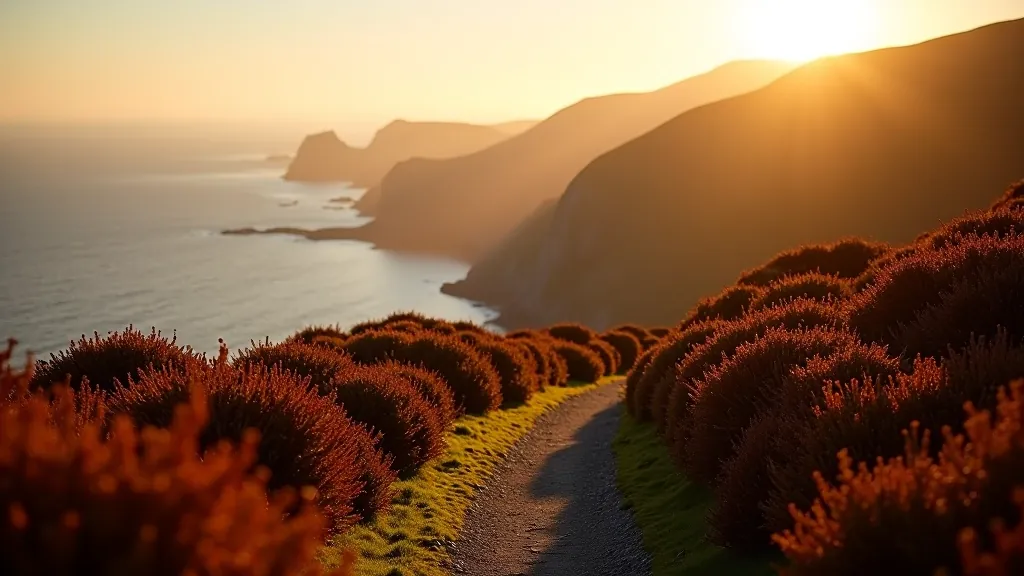
September and October are honestly the best months for hiking in Donegal. Temperatures drop to 12-15°C. That's perfect for sustained walking without overheating. You're wearing a single comfortable layer plus a wind jacket, which means freedom of movement.
Crowds thin out dramatically after school holidays end. You'll meet other walkers, but the trails feel peaceful again. Midges mostly vanish by mid-September as temperatures cool. The light quality changes too — that low autumn sun creates genuinely beautiful photography conditions and makes the landscape look dramatic.
Rain increases slightly compared to summer, but it's not the heavy spring downpours. Typically you're looking at occasional showers, not all-day wet. The ground's drier than spring, firmer underfoot. Wind can pick up, particularly on exposed coastal sections, but it's actually refreshing rather than the summer's oppressive heat.
November starts the transition toward winter weather — wetter, shorter days, temperatures dropping below 10°C. But if you can hike through September and early October, you're hitting the genuinely ideal window.
Winter: Quietest but Demanding
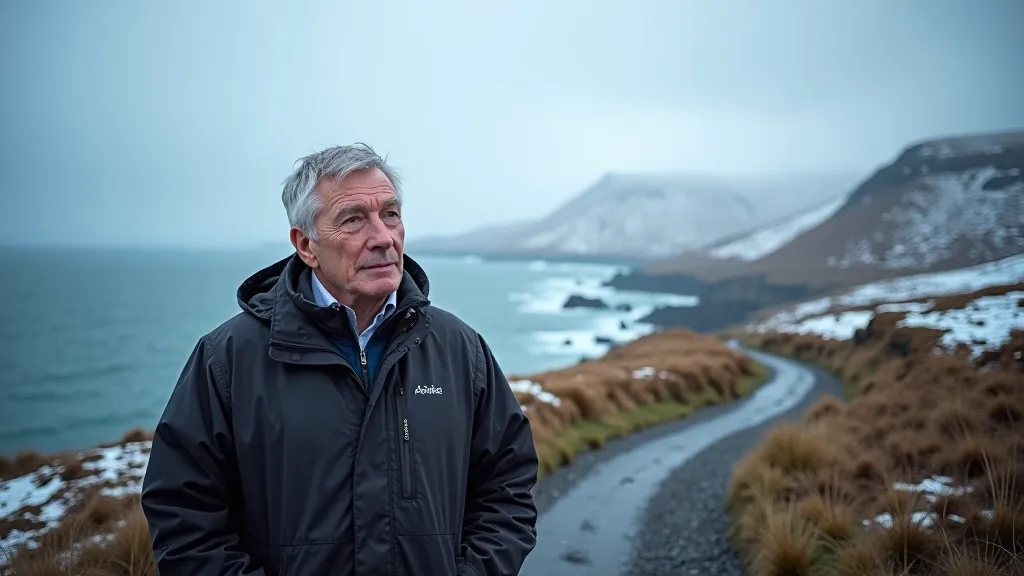
December through February are quiet. You'll often have trails completely to yourself. That solitude appeals to some people. Temperatures sit between 4-8°C — cold enough that you need proper thermal layers, but not so extreme that it's dangerous.
The real challenges are practical. Daylight ends by 4:30pm in December. You need to start early or accept doing shorter walks. Ground can be muddy or occasionally icy. Wind is stronger, particularly on exposed sections. Rain is frequent — not the occasional shower, but sustained wet weather.
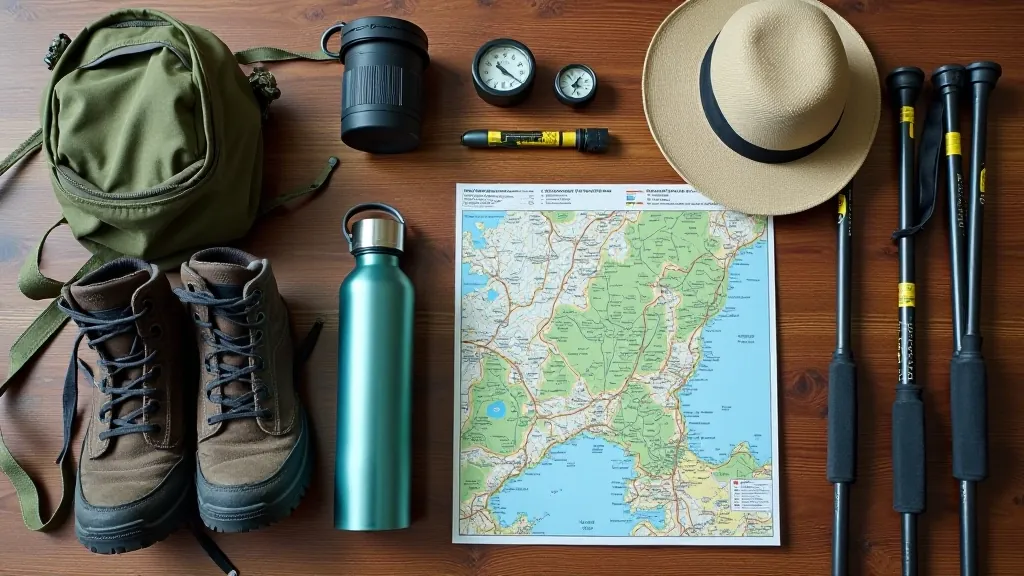
Winter hiking demands more preparation. Waterproof gear isn't optional; it's essential. Thermal layers, waterproof jacket and trousers, good boots with grip. Bring a torch because you might finish in darkness. Check weather forecasts more carefully — winter storms develop quickly.
If you're comfortable with these conditions and want genuine solitude, winter works. But it's the most demanding season physically and logistically.
Quick Seasonal Comparison
Temperature
Spring: 8-14°C
Summer: 15-20°C
Autumn: 12-15°C
Winter: 4-8°C
Crowds
Spring: Moderate
Summer: Very High
Autumn: Low
Winter: Minimal
Weather
Spring: Variable, rainy
Summer: Mostly dry
Autumn: Occasional rain
Winter: Frequent rain
Daylight
Spring: Until 9pm
Summer: Until 10pm
Autumn: Until 6:30pm
Winter: Until 4:30pm
Practical Tips for Any Season
Check Weather Actively
Don't rely on a forecast from the night before. Check conditions the morning of your hike. Coastal weather changes quickly.
Start Early
An early start gives you flexibility. If weather turns, you've got daylight buffer. You also avoid afternoon crowds and summer heat.
Layer Properly
Seasonal temperatures vary throughout your walk. Layers let you adjust without carrying extra weight. Base layer, insulation, waterproof outer.
Protect Against Midges
Late May through September, bring midge repellent. Avoid starting near dusk when they're most active. Head cover helps too.
Know Your Limits
Summer's longer days don't mean longer hikes. Pick trails that work with your fitness level. Shorter walks in comfortable seasons beat ambitious ones in challenging ones.
Bring Enough Water
You need water year-round. Spring and autumn demand less than summer, but 1-2 litres is standard. Winter means fewer water sources.
Finding Your Ideal Season
The best time to hike isn't about calendar dates — it's about matching your preferences to what each season genuinely offers. Spring appeals if you love wildflowers and don't mind variable weather. Summer works if you want maximum daylight and don't mind crowds and midges. Autumn suits most people because it balances everything: comfortable temperatures, decent light, manageable weather, and peaceful trails. Winter attracts people who value solitude and can handle more demanding conditions.
Donegal's coastal landscape transforms with the seasons. You'll enjoy any time you choose if you prepare properly and pick trails that match the conditions. The real skill isn't finding the perfect season — it's understanding what each season requires and planning accordingly.
Important Information
This article provides general information about seasonal hiking conditions in Donegal. Weather patterns can vary significantly year to year. Always check current weather forecasts before heading out, wear appropriate safety gear, and consider your personal fitness level and experience. If you have health concerns, consult with your healthcare provider before starting new physical activities. Hiking conditions change rapidly — what's safe one day may be unsafe the next.