Start with the Essentials
Packing for a hike isn't complicated, but it does require some thought. You're not carrying everything you own — you're carrying what you'll actually need to stay safe, comfortable, and energized on the trail.
The difference between a great hike and a frustrating one often comes down to preparation. We've seen hikers turn back because they forgot sunscreen or ran out of water. We've also seen people tackle challenging terrain because they had the right gear. It's not about having the most expensive equipment — it's about being smart with what you bring.
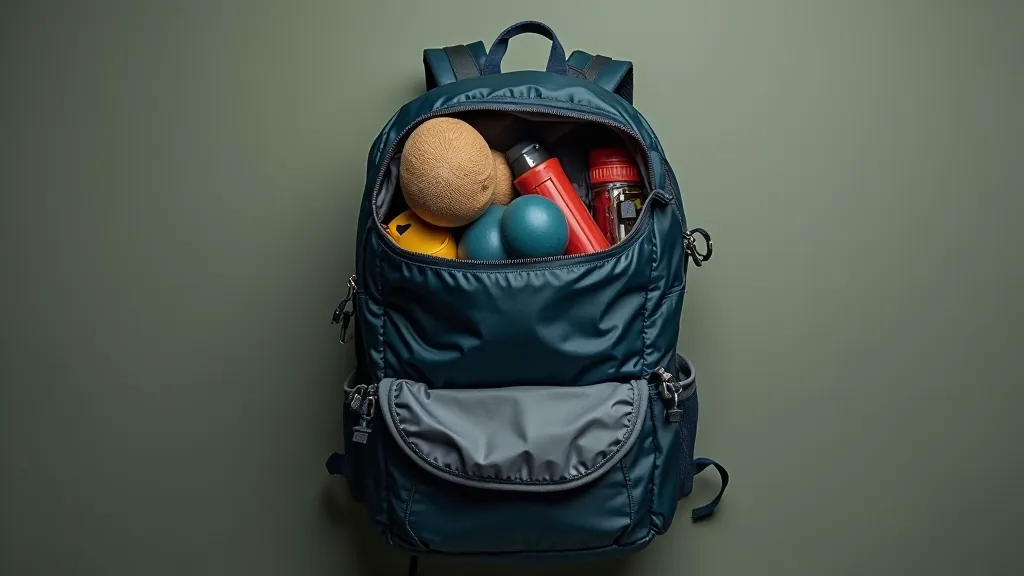
Think of your backpack as a safety net. Every item should earn its place. Here's what actually matters when you're heading out on the trail.
Water and Nutrition: Don't Underestimate These
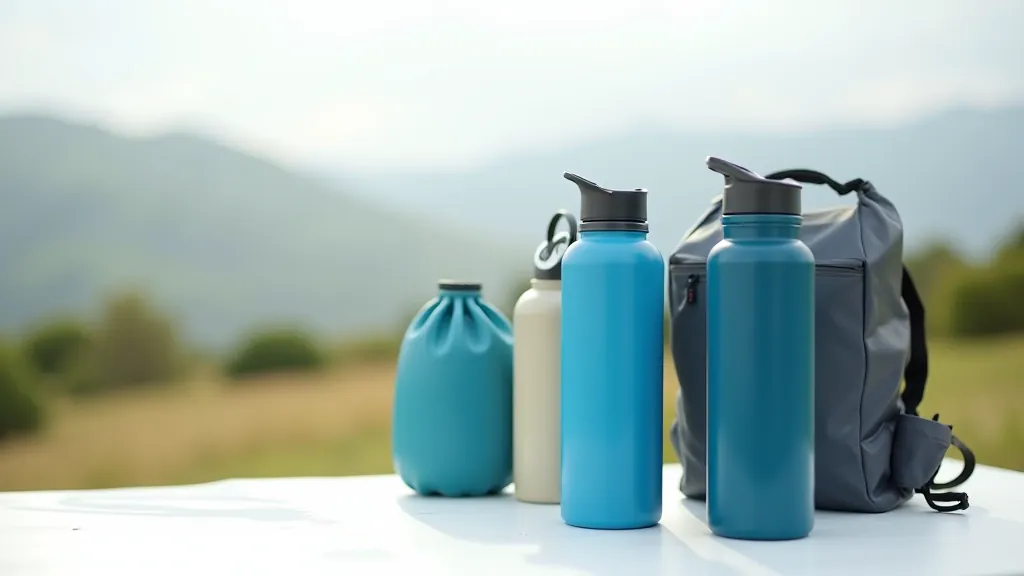
Dehydration sneaks up on you. You don't feel thirsty until you're already low on fluids, and that's when hiking becomes difficult. Bring more water than you think you'll need — at least 1.5 to 2 liters for a half-day hike on Slieve League's lower viewpoint trail.
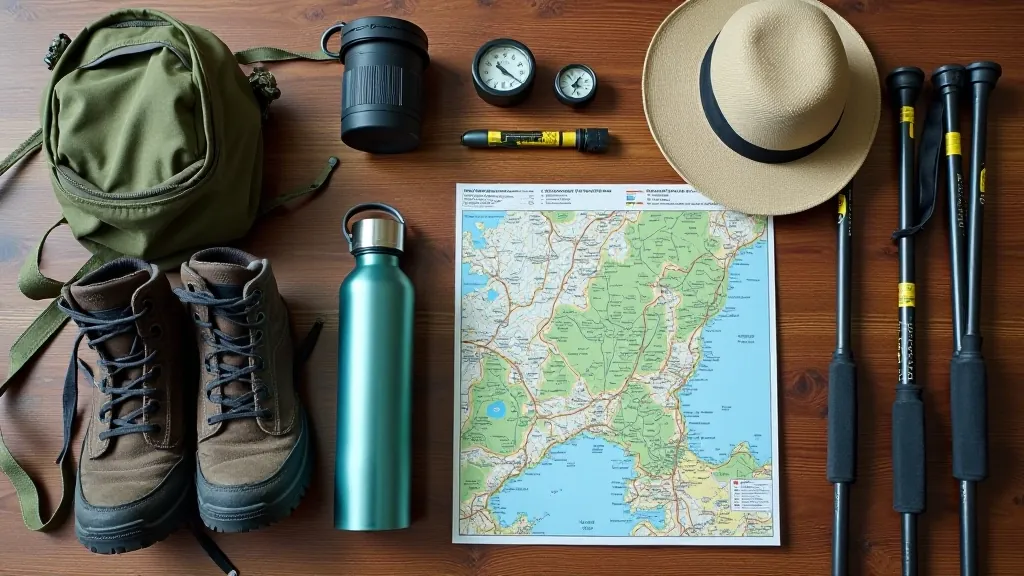
A good water bottle isn't just about capacity. Look for something lightweight with a secure cap so it won't spill in your pack. Some people prefer hydration bladders with tubes — they're easier to drink from while walking without stopping. Whatever you choose, fill it before you leave.
Food is fuel. Pack energy-dense snacks that won't spoil: nuts, dried fruit, granola bars, or sandwiches. A banana or apple adds moisture and potassium without weighing much. Eat before you get hungry. Small amounts spread throughout the hike work better than one big snack at the end.
Quick tip: Pack snacks in separate pockets so you're not digging through your whole bag. Keep one energy bar easily accessible in a side pocket.
Footwear and Clothing: Comfort Determines Everything
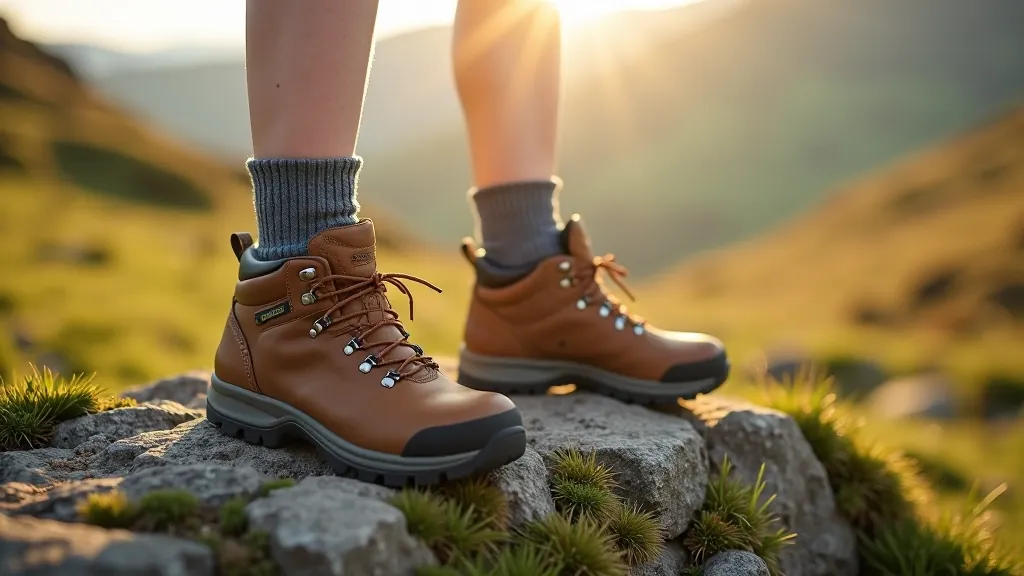
Your feet carry you the entire way. Invest in proper hiking boots or trail shoes — not regular sneakers. The difference is ankle support and grip. Break them in before you hit the trail. Nobody wants blisters halfway up a mountain.
Moisture-wicking socks matter more than people realize. Cotton holds sweat and causes blisters. Merino wool or synthetic hiking socks keep feet dry and comfortable. Bring an extra pair in case the first gets wet.
Weather in Donegal changes fast. Even on a sunny morning, clouds roll in and temperature drops. Wear layers you can adjust. A base layer (long sleeves), a fleece or wool mid-layer, and a lightweight windproof jacket cover most situations. You're not trying to look fashionable — you're staying functional and warm.
- Cotton clothing holds moisture — avoid it entirely
- Dark colors show dirt but are warmer in sun; light colors stay cooler
- A hat or cap prevents sun on your face and helps regulate temperature
- Lightweight trousers dry faster than jeans if you get wet
Safety Items You'll Actually Use
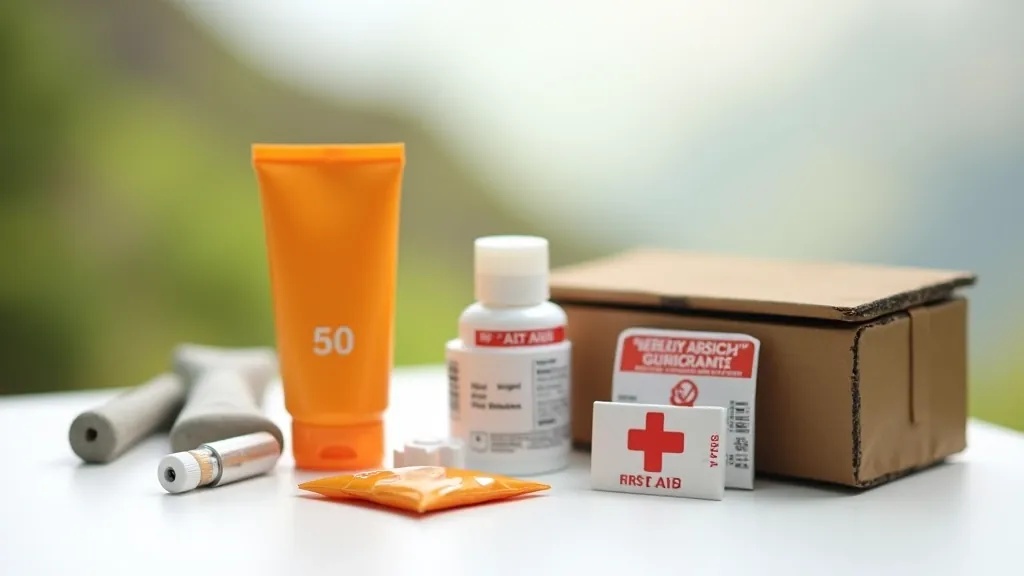
A small first aid kit doesn't need to be complicated. Plasters for blisters, pain relief tablets, antihistamine for insect bites, and elastic bandage for sprains cover most situations. Keep it lightweight — you're not running a clinic.
Sunscreen is non-negotiable. UV exposure happens even on cloudy days, and you're more exposed on open trails. Apply it before you leave and reapply every two hours. A lip balm with SPF prevents painful cracks.
Bring a fully charged mobile phone in a waterproof case. Signal can be patchy in some areas, but it's your connection to help if something goes wrong. A small whistle is lightweight and carries further than your voice if you need attention.
Insect repellent helps with midges and mosquitoes, especially near water or in damp weather. A lightweight headlamp or torch isn't necessary for daytime hikes, but it's reassuring if you're hiking longer than expected.
The Extras That Make a Difference
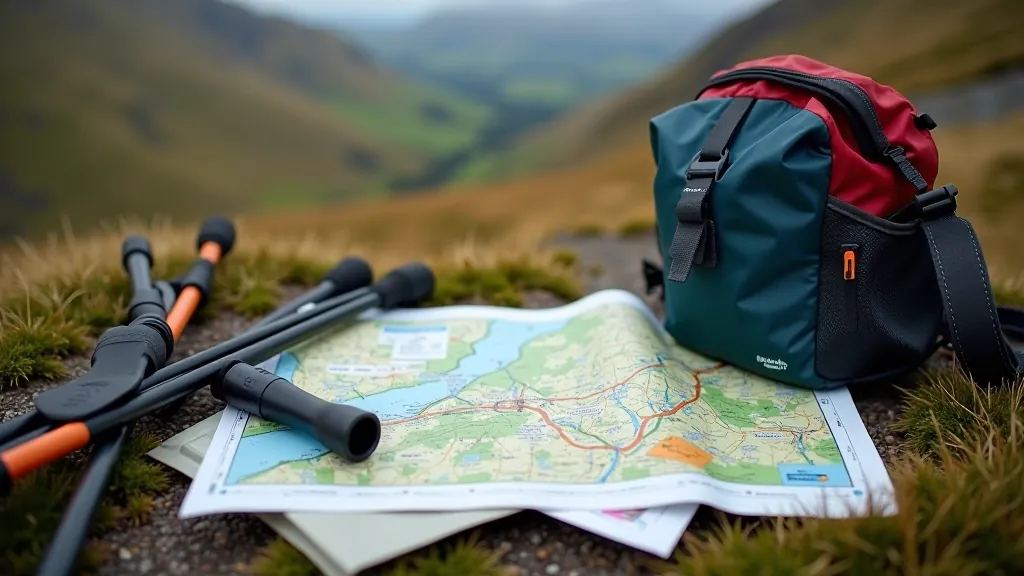
A map or guidebook keeps you oriented. You don't need GPS for well-marked trails, but knowing where you are matters. Paper maps don't require batteries and won't lose signal.
Wet wipes or hand sanitizer feel luxurious after handling trail snacks or touching muddy rocks. Toilet paper and a small spade matter if you're on longer hikes away from facilities. A plastic bag keeps trash and separates dirty items from clean ones.
A lightweight towel or buff serves multiple purposes: drying your hands, wiping sweat, protecting your neck from sun. Trekking poles reduce stress on your knees on steep sections — they're especially helpful for older hikers managing technical terrain.
A watch helps you pace yourself and know when to turn back. You don't want to realize you've been hiking for three hours when you planned two. Timing keeps you safe.
Pack Smart, Hike Better
The best packing strategy is simple: bring what keeps you safe and comfortable, and leave everything else behind. Your backpack should feel light enough that you forget you're wearing it. Test your gear on shorter hikes before tackling longer routes. You'll quickly figure out what you actually use and what's just extra weight.
Hiking isn't about enduring discomfort — it's about moving through beautiful landscapes feeling capable and prepared. When you've got the right gear, you're free to focus on the views, the fresh air, and the genuine pleasure of being outdoors. That's what makes the hike worth remembering.
Disclaimer
This article is informational and educational in nature. The packing recommendations provided are based on general hiking best practices for older adults. Individual needs vary depending on fitness level, health conditions, trail difficulty, weather conditions, and personal preferences. Always consult with your healthcare provider before undertaking new physical activities, especially if you have any health concerns. Check weather forecasts and trail conditions before heading out, and consider hiking with a companion. Bring identification and ensure someone knows your planned route and expected return time.